
412 products found



A 1/4W 560 ohm resistor is a standard electronic part that reduces electrical current and manages voltage drops in circuits. It handles up to a quarter watt of power. People commonly use this resistor in LED indicator circuits and signal conditioning setups to ensure components receive safe amounts of electricity.
A 1/4W 680 ohm resistor is a basic electronic component used to limit current flow and divide voltage safely within a circuit. It handles a quarter watt of power. Makers commonly use this resistor value in LED lighting setups and analog circuit designs to protect sensitive parts from electrical overloads.
A 1/4W 470 ohm resistor is a standard electronic part that restricts electrical current and helps manage voltage levels. It is rated for a quarter watt of power. People commonly use this resistor in various circuits to protect LEDs, set transistor operating points, and adjust signal levels in DIY electronics projects.
A 1/4W 10K ohm resistor is a very common electronic component used to limit current and set stable reference voltages. It handles up to a quarter watt of power. People commonly use this ten-kilohm resistor as a pull-up or pull-down resistor on button inputs and digital pins to prevent floating signals.
A 1/4W 100K ohm resistor is a standard electronic part with high resistance used to restrict current and manage weak signals. It handles a quarter watt of power. People commonly use this one-hundred-kilohm resistor in timing circuits, audio equipment, and biasing networks for transistors to ensure stable circuit operation.
A 1/4W 5.1K ohm resistor is a standard passive component that limits electrical current and helps divide voltage in circuits. It handles up to a quarter watt of power. Engineers commonly use this specific resistance value in sensor pull-up networks, communication lines like I2C, and various microcontroller interface circuits.
A 1/4W 1M ohm resistor is a high-resistance electronic component used to limit tiny currents and control sensitive signals. It handles a quarter watt of power. People commonly use this one-megaohm resistor in timing circuits, audio amplifiers, and high-impedance input stages where very little electrical flow is required.
A 1/4W 4.7K ohm resistor is a common passive electronic component designed to restrict current and divide voltages. It handles up to a quarter watt of power. People commonly use this four-point-seven-kilohm resistor as a pull-up resistor for button switches, sensors, and communication lines to keep digital signals clean and reliable.
A 1/4W 220K ohm resistor is a high-value electronic component used to limit current and manage weak electrical signals. It handles a quarter watt of power. People commonly use this resistor in timing circuits, filter networks, and input stages of amplifiers to control signal flow and stabilize circuit performance.
A 1/4W 330K ohm resistor is a standard electronic component with high resistance used to control electrical current and voltage signals. It handles a quarter watt of power. Hobbyists and engineers commonly use this resistor in oscillator circuits, timing projects, and analog signal processing applications to ensure stable operation.
A 1/4W 2.2K ohm resistor is a standard passive electronic component used to limit current and set voltage levels in a circuit. It handles a quarter watt of power. People commonly use this resistor in digital logic circuits, sensor interfaces, and LED driver setups to maintain safe electrical levels.
RFID cards 13.56MHz are plastic smart cards containing an embedded microchip and antenna that communicate wirelessly using radio frequency identification. When tapped near a reader, they transmit unique ID data. People commonly use these cards for secure door access control systems, attendance tracking, and digital identification projects.
An SD card module is a small electronic board that lets microcontrollers read from and write to standard memory cards. It uses standard communication pins. People commonly use this module in data logging projects, weather stations, and audio players to store large files, sensor logs, and settings on a removable card.
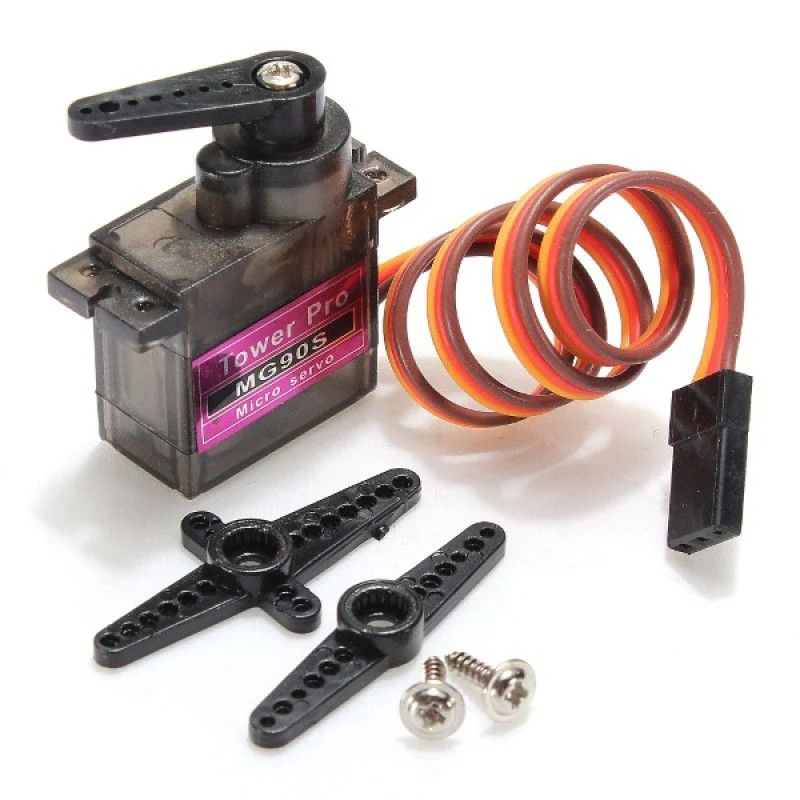
The servo motor MG90S is a small, metal-geared rotary actuator that can turn to precise angles, usually between 0 and 180 degrees. It offers strong torque for its compact size. People commonly use this servo in robotics to move camera gimbals, control steering on RC cars, and build automated mechanical arms.
The soil moisture sensor is an electronic device that measures the amount of water present in dirt. It features two probe forks that act as a variable resistor based on soil dampness. People commonly use this sensor in automated plant watering systems, smart gardens, and agricultural monitoring projects to keep plants healthy.

The KY-0372 microphone sensor is a small sound detection module that picks up noise and audio signals from your environment. It converts sound waves into electrical signals that microcontrollers can read. Makers commonly use this sensor in voice-activated projects, sound-detection alarms, clapping switches, and basic audio monitoring devices.

Terminal blocks 2 way are simple, secure electrical connectors that let you join two wires together without soldering. You just strip the wire ends, insert them into the metal ports, and tighten the screws. People commonly use them in power supplies, control panels, lighting setups, and DIY electronics to make wiring neat and safe.

A 10W transformer is an electrical device that changes AC voltage from your wall outlet to a lower, safer voltage for your electronics. It uses magnetic coils to step power down. People commonly use this component in small power supplies, audio equipment, LED lighting setups, and various DIY electronics projects that require safe, low-voltage power.

The HC-SR04 ultrasonic sensor is a popular distance-measuring module that uses sound waves, just like bats do. It sends out a high-frequency pulse and measures how long it takes to bounce back. People commonly use this sensor in obstacle-avoiding robots, parking assistants, smart trash cans, and DIY security systems.
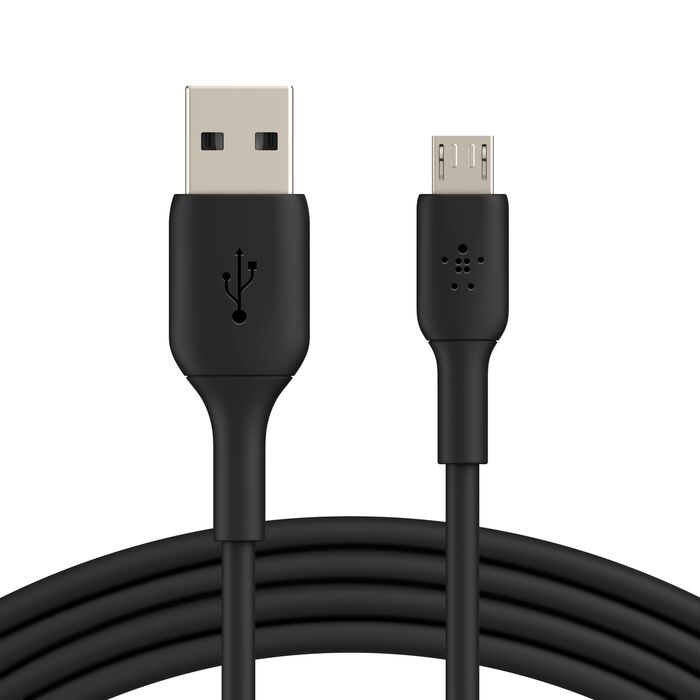
A USB classic cable for programming is a standard data wire used to connect your development boards and microcontrollers to a computer. It lets you transfer your written code onto the hardware easily. People commonly use this cable for uploading sketches to Arduino boards, flashing firmware, and powering small electronic devices.