
412 products found
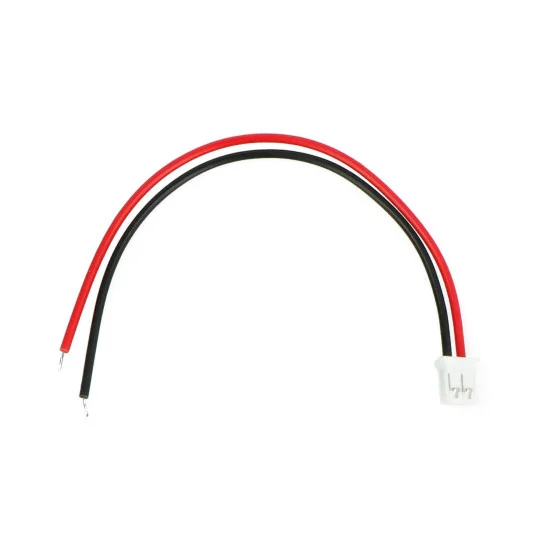
This is a JST XH2.54 two-pin male cable. It features a plastic plug housing with two wires attached to metal male pins. People commonly use this cable to connect batteries, small motors, and power supplies to circuit boards in DIY electronics, remote control toys, and hobbyist maker projects easily.
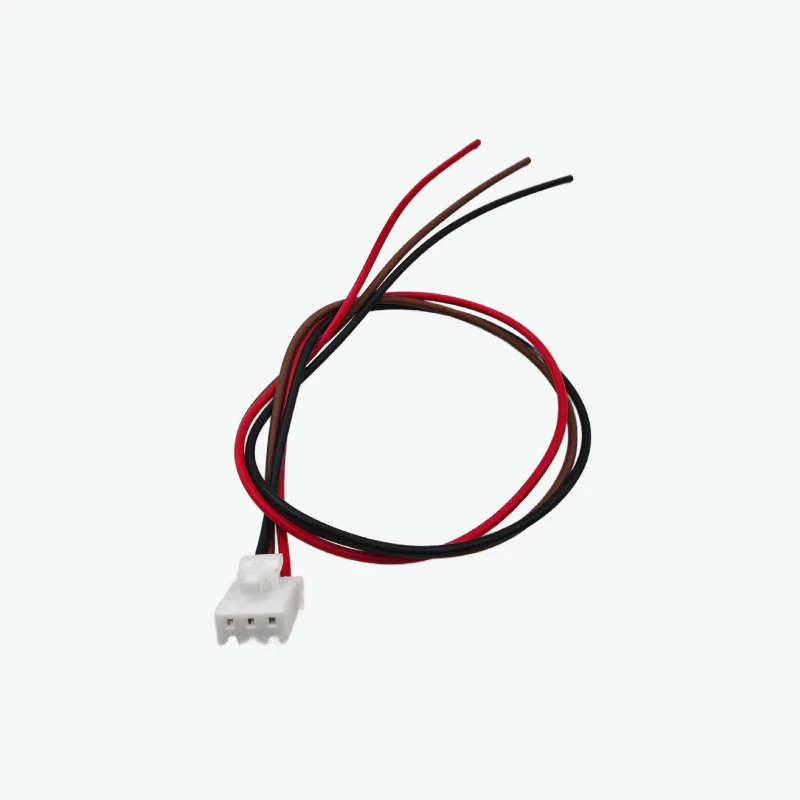
This is a JST XH2.54 three-pin male cable. It comes with three attached wires ready to plug into matching connectors. This cable is very common in hobby electronics, 3D printers, and DIY projects. People use it to link sensors, small fans, or power lines safely to circuit boards.
JST XH2.54 4P Male Cable
This is a JST XH2.54 four-pin male cable. It includes four wires pre-attached to a standard plug housing. It is widely used in electronics prototyping, robotics, and 3D printing. Makers use this cable to connect four-wire components like stepper motors or sensors to main control boards quickly.
JST XH2.54 5P Male Cable
This is a JST XH2.54 five-pin male cable. It features five wires connected to a reliable plug. This cable is commonly used in custom electronics, computer mods, and robotics. It helps you easily connect multi-wire sensors, displays, or power distribution boards without having to solder individual wires by hand.
JST XH2.54 6P Male Cable
This is a JST XH2.54 six-pin male cable. It comes with six pre-crimped wires inside a secure plastic housing. This cable is frequently used in complex DIY projects, advanced robotics, and electronics repair. It allows you to connect six separate lines cleanly and reliably to your circuit board.
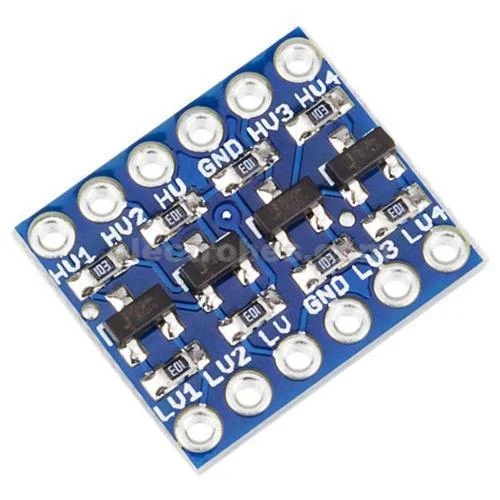
This is a 5V to 3V four-channel level conversion module. It safely translates digital signals between five-volt and three-volt devices. People commonly use this module to connect older five-volt microcontrollers like Arduino to modern sensors, displays, and modules that only accept three volts, preventing damage to sensitive parts.
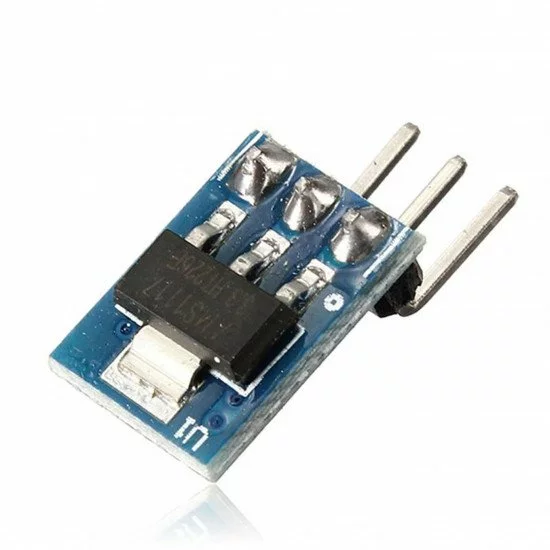
This is a 3.3V AMS1117 voltage regulator module. It takes a higher input voltage and steps it down to a steady 3.3 volts. Makers and engineers commonly use this handy little board in DIY electronics and microcontroller projects to power 3.3V sensors and wireless modules safely from a 5V or USB source.
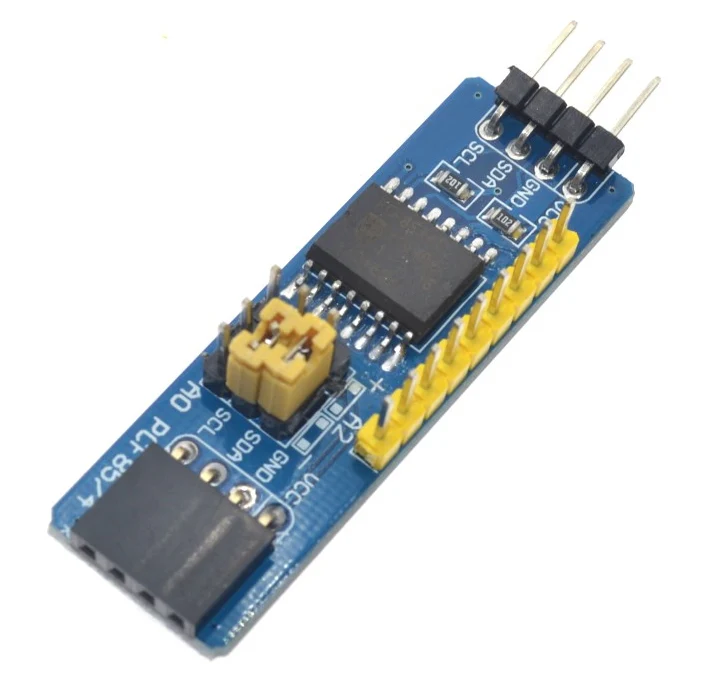
This is a PCF8574 I2C I/O expansion module. It allows you to control up to eight extra input and output pins using only two pins on your microcontroller. People commonly use this module in Arduino projects to save valuable pins when connecting many buttons, LEDs, or LCD screens.
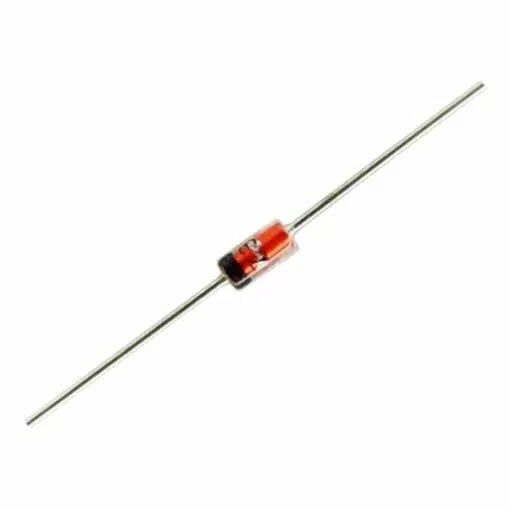
This is a 1N4727A 3V Zener diode rated for 1 watt. It is designed to maintain a steady 3-volt limit in an electronic circuit. People commonly use this diode for voltage regulation, protecting sensitive low-voltage components from power surges, and stabilizing reference voltages in DIY electronics and power supply designs.

PCB transfer gloss paper is a special sheet used to print custom circuit board designs using a laser printer. You can then use an iron or heat press to transfer the toner ink directly onto a copper board before etching. It is a popular tool for makers creating their own custom printed circuit boards.
Drill Bit 1mm
A 1mm drill bit is a tiny, thin cutting tool designed for making very small holes in materials like fiberglass circuit boards and thin plastics. It fits into standard rotary tools and mini drill presses. It is commonly used by electronics hobbyists to drill holes for component leads when making custom printed circuit boards.
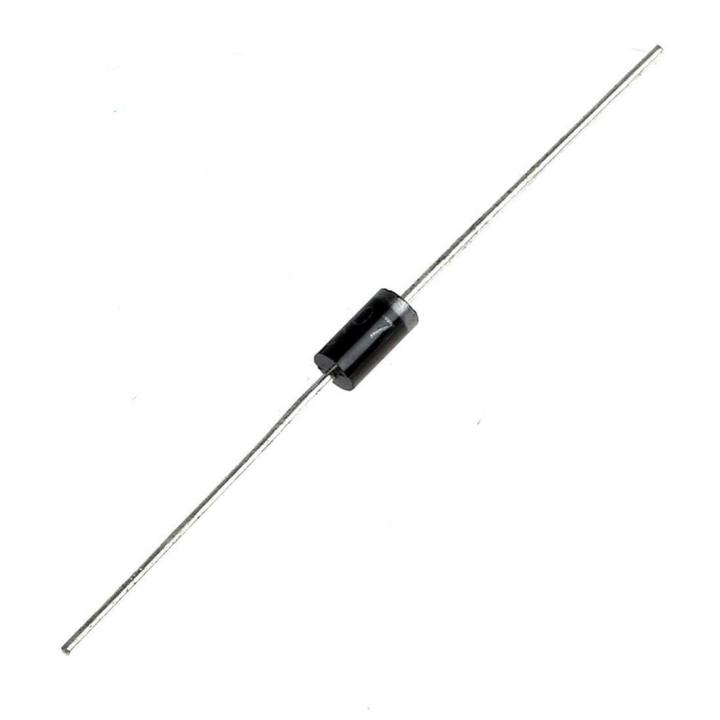
The 1N4007 is a standard, reliable silicon diode that lets electrical current flow in only one direction. It is designed to protect sensitive parts by blocking reverse voltage and smoothing out power signals. It is one of the most common components used in power supplies, adapters, and general circuit protection.
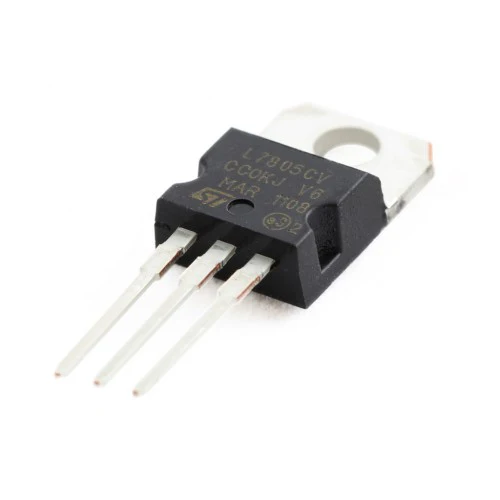
The 7805 voltage regulator is a small electronic chip that takes a higher input voltage and steps it down to a steady, safe 5 volts. It ensures sensitive parts get stable power without burning out. It is widely used in power supply circuits to protect microcontrollers and logic components from voltage spikes.
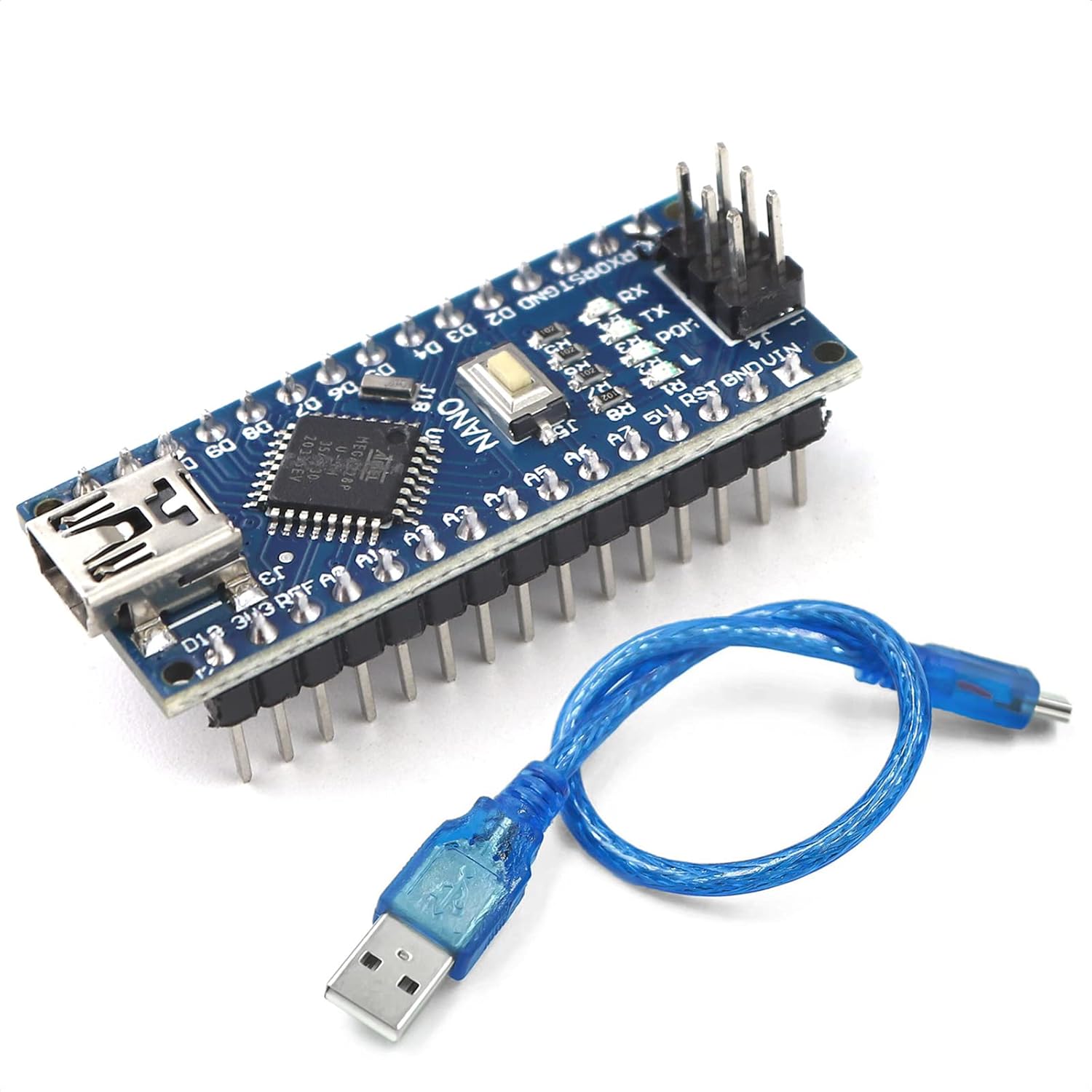
The Arduino Nano is a tiny, complete microcontroller board powered by the ATmega328P chip. It packs all the features of a larger board into a compact size that plugs directly into a breadboard. It is commonly used in space-saving projects like wearable tech, small robots, and portable electronics.
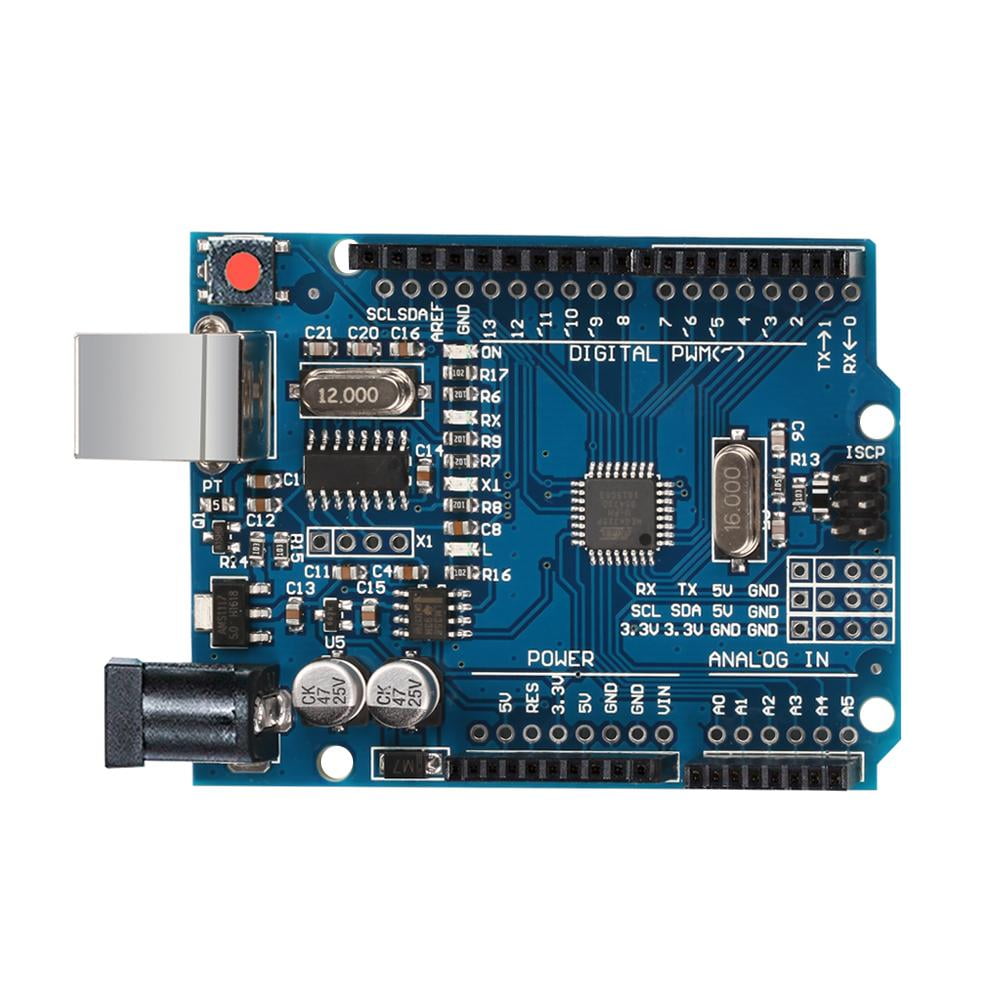
The Arduino UNO is a popular, beginner-friendly microcontroller board based on the ATmega328P. It lets you write simple code to read sensors, control motors, and make lights blink via a USB connection. It is the go-to board for learning electronics, prototyping ideas, and building interactive DIY hardware projects.
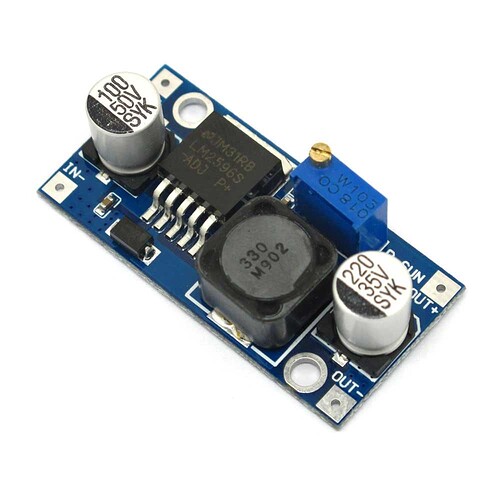
The LM2596 buck converter is a step-down voltage regulator that lets you adjust a higher input voltage down to a lower, stable output voltage efficiently. It includes a tiny screw dial to fine-tune the voltage. It is commonly used in DIY power supplies, battery projects, and running 5V modules from a 12V source.
A 5V active buzzer is an audio alarm component that starts making a continuous beeping sound the moment you apply a 5-volt DC current to it. It has a built-in oscillator so it does not need any special tone code. It is widely used in simple alert systems, doorbells, and error warnings.
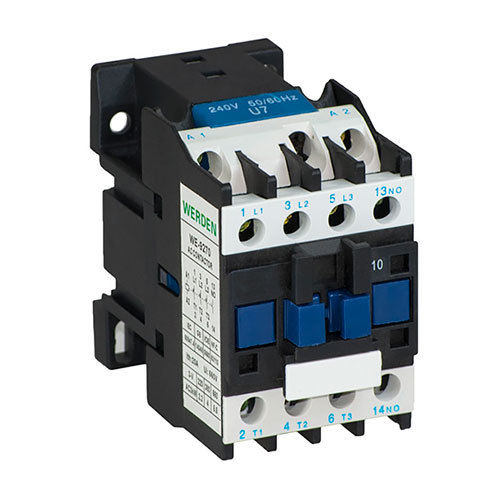
A 380v electrical contactor is a heavy-duty relay switch designed to safely control high-voltage, three-phase industrial electrical loads. It uses a lower control voltage to remotely open or close powerful circuits. It is commonly used in factories and commercial settings to manage large motors, heating systems, and heavy machinery.
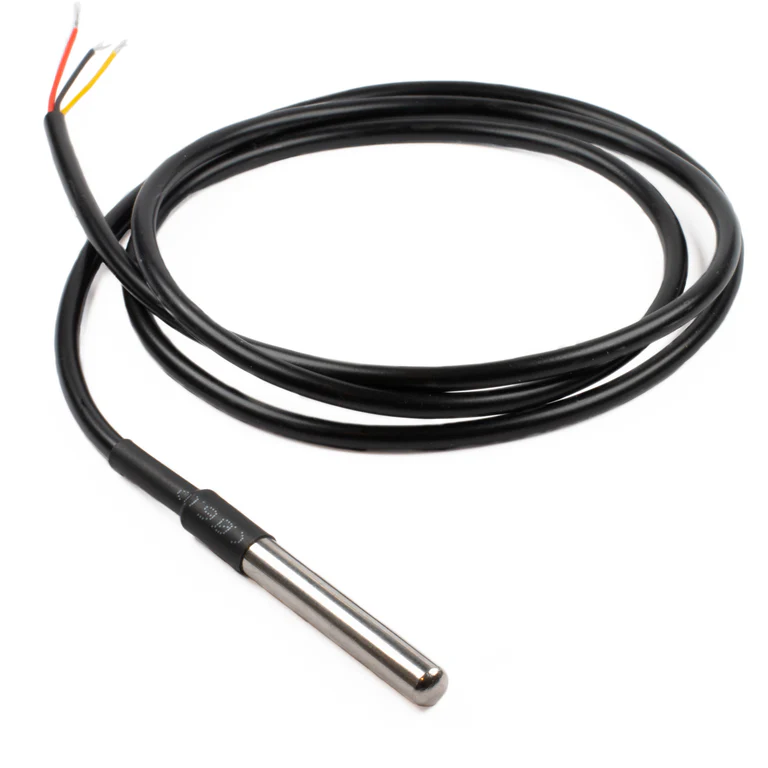
The DS18B20 temperature sensor probe is a waterproof, metal-tipped digital sensor that measures temperature accurately. It connects easily to microcontrollers and allows multiple sensors to share a single data wire. It is commonly used in weather stations, aquarium monitoring, and brewing equipment to measure liquid or outdoor temperatures.
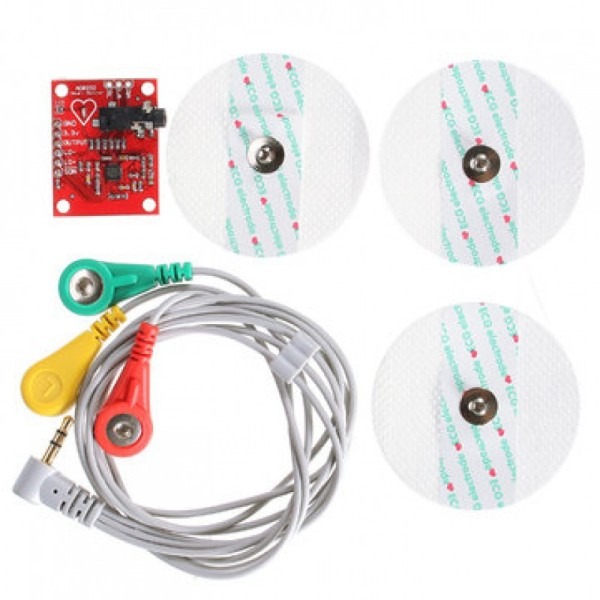
The ECG Sensor AD3282 is a specialized electronic module that detects and measures the electrical activity of the heart. It picks up tiny heart signals and amplifies them so a microcontroller can read them. It is commonly used in biomedical student projects, health monitoring prototypes, and fitness tracker experiments.